Biohazard Cleanup
Contaminated materials removed, surfaces disinfected, odor treated and waste hauled away from your property.
Learn more →Pennsylvania · Allegheny County
Need a biohazard cleanup company in Whitehall, PA right now? Call (877) 812-4220. You get cleanup technicians who work discreetly on trauma scenes, suicide scenes, hoarder homes, sewage backups and drug residue in Allegheny County.
If anyone is in danger, call 911 first. For a suicide crisis, call or text 988.
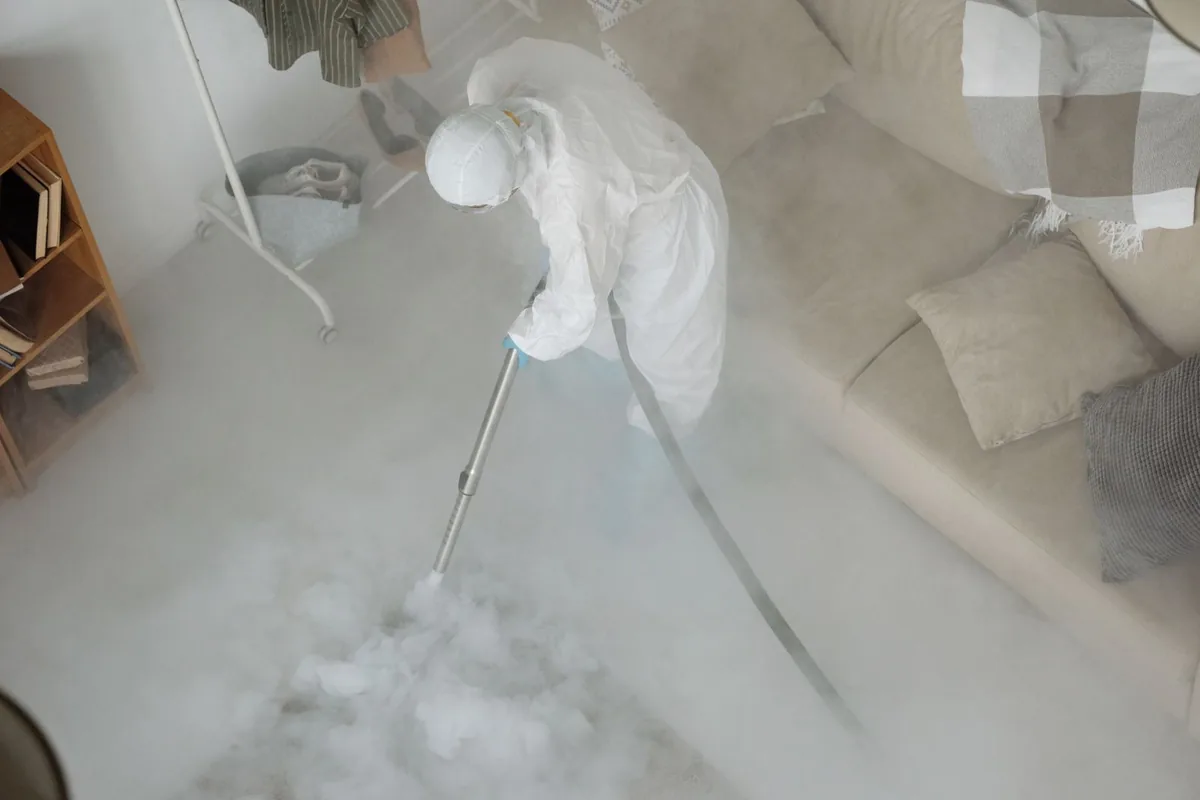
Biohazard cleanup is the professional removal, cleaning and disinfection of blood, bodily fluids, decomposition, sewage and other infectious materials after a death, crime, accident or illness. In Whitehall, you can get this local biohazard cleaning for homes, apartments, rental properties, churches, businesses and vehicles.
Waiting makes biohazards harder to remove, because fluids keep soaking into flooring and odor keeps spreading through the home. Call at any hour, and a cleanup specialist will explain the next steps for Whitehall and the rest of Allegheny County.
About 25% of homes in Whitehall are rented, so many cleanups involve owners working directly with their own homeowners insurance company. Older adults make up about 26% of residents in Whitehall, above the Pennsylvania average, so families here more often face estate cleanouts and death cleanup after a loved one passes.
Safety comes first on every job. You get crews that follow OSHA bloodborne pathogen protocols, wear full protective equipment and seal off the contaminated space, since hepatitis B, hepatitis C and HIV are all risks around untreated blood.
Sealing, cleaning, disinfecting and ventilating work together. Plastic barriers and HEPA air scrubbers hold contaminants in place, EPA-registered disinfectants do the germ kill, and hydroxyl or ozone treatment clears the odor that is left.
Each of these biohazard cleaning services is open around the clock in Whitehall, PA. Tap a card to read more, or call (877) 812-4220 to talk it through with a cleanup specialist.
Contaminated materials removed, surfaces disinfected, odor treated and waste hauled away from your property.
Learn more →Crime scene cleaners handle contaminated carpet, drywall and debris, then check the work before handing the space back.
Learn more →Trauma cleaners remove blood, bodily fluids and odor after injuries, violent events and sudden emergencies.
Learn more →After death cleaning for families, landlords and estates, handled quietly and with care.
Learn more →Professional suicide cleaning services that spare relatives and landlords from the hardest part.
Learn more →Homicide cleaners remove contaminated materials, disinfect every affected surface and prepare records for insurers.
Learn more →Dried and set-in blood lifted from tile, wood and fabric, with odor treated once the cleanup is done.
Learn more →Commercial feces cleanup and body fluid cleaning for restrooms, shops, schools and care sites.
Learn more →Commercial feces cleanup and urine odor control for restrooms, shops, schools and care sites.
Learn more →Thorough deodorizing after a death, with the air and structure checked room by room.
Learn more →Hoarding cleanup done at the resident's pace, with valuables and papers kept safe.
Learn more →Hoarding junk removal that protects valuables and papers before anything leaves the home.
Learn more →Animal hoarding clean up that restores a home for repairs, a sale or a new tenant.
Learn more →Crews haul away trash and soiled items, then deep clean and sanitize the home.
Learn more →Raw sewage removal, tear-out of soaked materials and full disinfection after a backup or overflow.
Learn more →Commercial decontamination services for offices, restaurants, schools, gyms and care sites after illness.
Learn more →Cleaning first, disinfecting second: a careful process that targets the germs, not only the stain.
Learn more →Medical waste left behind after illness, a move or a cleanup, removed with protective gear.
Learn more →Sharps cleanup with protective gear, puncture-resistant containers and proper medical waste disposal.
Learn more →Drug paraphernalia cleanup: syringes, pipes and items removed, surfaces cleaned and waste hauled away.
Learn more →Clear steps for owners who suspect meth contamination, from first sample to final report.
Learn more →Fentanyl residue removal with protective gear, soft material removal and proper disposal.
Learn more →Toxic waste cleanup that identifies the substance, cleans affected surfaces and follows disposal rules.
Learn more →Hazardous materials contained, removed and hauled away after spills, leaks and accidents.
Learn more →Irritant residue removed from walls, floors, fabrics and vents after tear gas or pepper spray is released.
Learn more →Rodent infestation cleanup after pest control, with odor removal and sanitizing of the affected area.
Learn more →Containment, wet removal and disinfection of bat and bird guano in attics, barns and rooftops.
Learn more →Carcass cleanup of fluids and soaked insulation, carpet and drywall that cannot be saved.
Learn more →Vehicle biohazard cleanup for cars, trucks, vans and buses, with soaked upholstery removed and odor treated.
Learn more →Discreet blood cleanup after an accident, so the space can reopen safely.
Learn more →Workplace biohazard cleanup that contains the area, removes contamination and documents the work for insurers.
Learn more →Careful clearing of a home after a death, with biohazard cleanup first when it is needed.
Learn more →The first step is deciding what is unsafe and how far the contamination goes. Hazards such as sharps, broken glass or sewage are noted before anyone starts.
The crew takes photos and notes of the affected areas and the work done. Homeowners insurance companies, landlords and compensation programs often ask for these records.
Contaminated materials come out, surfaces are cleaned and disinfected, and the waste is packed for lawful disposal.
HEPA scrubbers and odor treatment clean the air. A final walkthrough, and ATP testing where it is useful, shows whether anything was missed.
Blood, decomposition, sewage, sharps, hoarding, drug residue and infectious disease all fall under one call, with the right method for each.
Hoarded homes, neglected rentals and difficult situations are treated with dignity. The only goal is a safe, clean space again.
Property managers get clear records, quick coordination on access and a cleaned unit ready for repairs and the next tenant.
At crime and death scenes, work waits for law enforcement or the investigator to release the property. Nothing is disturbed before that.
Biohazard cleanup in Whitehall, PA typically costs $500 to $25,000, depending on the type of biohazard, the size of the affected area and how far fluids soaked into porous materials.
Most residential jobs cost $3,000 to $5,000 (Fixr). Biohazard cleanup costs depend on the type of biohazard, the size of the affected area and how far fluids soaked into porous materials. Pricing is set after an on-site assessment, and homeowners insurance often covers a large share.
| Type of job | Typical range |
|---|---|
| Blood spill cleanup, small area | $500 - $2,500 |
| Crime scene cleanup, most homes | $1,500 - $7,500 |
| Unattended death cleanup | $2,000 - $7,000 |
| Suicide cleanup | $1,500 - $5,500 |
| Sewage cleanup, most homes | $2,000 - $10,000 |
| Hoarding cleanup, level 3 home | $2,000 - $5,000 |
| Meth lab cleanup, typical | $15,000 - $20,000 |
Estimates only, not a quote. Sources: Fixr, Yelp Costs, BioCleaners Directory, PushLeads, Dropcurb, Bob Vila and cleanup company cost guides. Call (877) 812-4220 to talk through the job.
Cars, trucks and work vehicles can carry biohazards after an accident, assault or medical event. Vehicle cleanup removes contaminated upholstery and disinfects every surface and vent.
An average July high of 83 degrees in Whitehall speeds up decomposition after a death. The sooner the scene is released and cleaned, the less the odor and fluids spread.
With renters in about 25% of homes in Whitehall, landlords and property managers often call about tenant deaths, abandoned units and unsafe conditions that need biohazard cleaning.
Allegheny County has a Very High river flood risk rating from FEMA. Floodwater mixes with sewage, and anything it touches needs full biohazard cleaning, not just drying.
Falls, power tool injuries, farm and industrial accidents and car crashes can leave blood and tissue behind. Accident scene cleanup removes the trace so the space can be used again.
With a vacancy rate of 10% in Allegheny County, empty buildings can collect animal waste, drug paraphernalia and storm damage that nobody sees until later.
The word biohazard covers blood, tissue, decomposition, sharps, waste and some residues. Each carries different health risks, and each calls for its own cleaning and disposal approach.
A cleanout of belongings can take from a day to several weeks depending on how much is in the home. If a death left biohazards, the biohazard cleanup comes first, and sorting or hauling follows once the area is safe.
Usually it is better not to. The affected area is sealed off, odor and chemicals may be present, and the work is easier to do safely with people and pets elsewhere. The crew can say what is safe for your situation.
Yes, when the source is removed and treated. The crew takes out the contaminated materials, disinfects the surfaces, and uses HEPA air scrubbers and hydroxyl or ozone equipment to clear the air, rather than masking the smell.
Call 911 if anyone is in danger. Keep everyone out of the affected area, do not clean anything, and wait for law enforcement to release the scene. Then call your insurance company and a biohazard cleaning company to plan the cleanup.
Regular cleaning removes dirt. Biohazard cleanup removes infectious material and reaches under and behind surfaces, using PPE, containment, EPA-registered disinfectants and regulated waste disposal. It follows safety rules that ordinary cleaning does not.
A biohazard is any biological material that can carry germs and make people sick. Common examples are blood, bodily fluids, tissue, sewage, used needles, animal waste and the fluids from decomposition. Anything that has touched them can also become contaminated.
The nearest emergency room is St Clair Hospital in Pittsburgh, about 5 miles from Whitehall. In any emergency, call 911 first. Cleanup waits until people are safe.
It can. Allegheny County has a Very High river flood risk rating from FEMA. Wherever floodwater or a sewer backup enters a home, the water is treated as Category 3 and needs full cleaning and disinfection.
Pittsburgh is the Allegheny County seat, and you can get help there along with Whitehall, Brentwood and Castle Shannon. Call Whitehall Biohazard Cleanup Help at (877) 812-4220 to ask about a property in any of these towns.
Crews work in unmarked vehicles, so the job stays private.
Call (877) 812-4220